Mandating Faulty Accounting to Reach Absurd MPG Standards
President Obama wants a 56.2 mile per gallon standard for cars by 2025. Both advocates and opponents of this say the only way to make this is if everyone drives an electric car or plug in hybrid. But the fact of the matter is, even those don't get 56.2 mpg, except through an accounting fiction.
A while back I ran the numbers on the Nissan Leaf. According to the EPA, this car gets an equivalent of 99 MPG. But that is only by adopting the fiction of looking only at the efficiency in converting electricity to power in the wheels. But the electricity comes from somewhere (the marginal kilowatt almost certainly comes from a fossil fuel) and the new EPA methodology completely ignores conversion efficiency of fuel to electricity. Here is how I explained it at Forbes:
The problem is that, using this methodology, the EPA is comparing apples to oranges. The single biggest energy loss in fossil fuel combustion is the step when we try to capture useful mechanical work (ie spinning a driveshaft in a car or a generator in a power plant) from the heat of the fuel’s combustion. Even the most efficient processes tend to capture only half of the potential energy of the fuel. There can be other losses in the conversion and distribution chain, but this is by far the largest.
The EPA is therefore giving the electric vehicle a huge break. When we measure mpg on a traditional car, the efficiency takes a big hit due to the conversion efficiencies and heat losses in combustion. The same thing happens when we generate electricity, but the electric car in this measurement is not being saddled with these losses, even though we know they still occur in the system.
Lets consider an analogy. We want to measure how efficiently two different workers can install a refrigerator in a customer’s apartment. In both cases the customer lives in a fourth floor walkup. The first installer finds the refrigerator has been left on the street. He has to spend much of his time struggling to haul the appliance up four flights of stairs. After that, relatively speaking, the installation is a breeze. The second installer finds his refrigerator has thoughtfully been delivered right to the customer’s door on the fourth floor. He quickly brings the unit inside and completes the installation.
So who is a better installer? If one only looks at the installer’s time, the second person looks orders of magnitude better. But we know that he is only faster because he offloaded much of the work on the delivery guys. If we were to look at the total time of the delivery person plus the installer, we’d probably find they were much closer in their productivity. The same is true of the mileage standards — by the EPA’s metric, the electric vehicle looks much better than the traditional vehicle, but that is only because someone else at the power plant had to do the really hard bit of work that the traditional auto must do itself. Having electricity rather than gasoline in the tank is the equivalent of starting with the refrigerator at the top rather than the bottom of the stairs.
The DOE has actually published a better methodology, going from "well to wheels," creating a true comparable efficiency for electric cars to gasoline engine cars. By this methodology, the Nissan Leaf all electric car only gets 36 MPG! In fact, no current electric car would meet the 56.2 MPG standard if the accounting were done correctly. Which is why the EPA had to create a biased, inaccurate MPG equivalent measure for electric vehicles to artificially support this Presidential initiative.
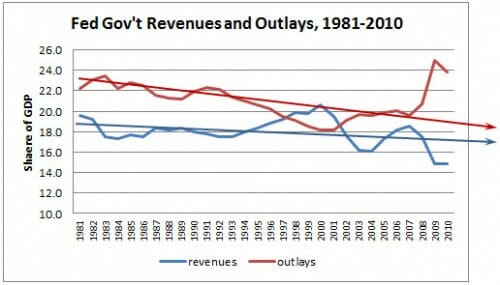
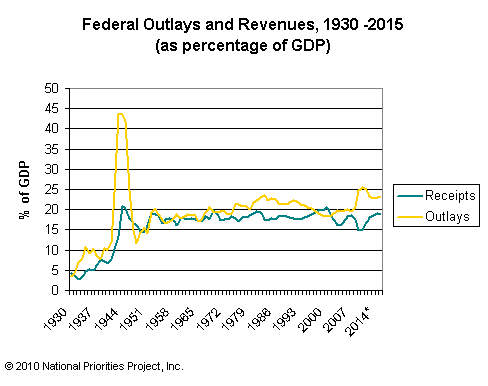 Update: Here is the data